Compare Trusted Tyne and Wear Car Transport Companies
Save time & money - up to 75% off standard rates
Used by millions of happy customers
Millions of people use Shiply
Fast and Easy
Complete one simple form and quotes come to you via email. Hassle-free, no phone calls required.
Trustworthy
All delivery companies on Shiply are feedback rated for your peace of mind.
Great Prices
As Shiply's delivery companies are already making similar trips, quotes are up to 75% cheaper than standard rates.
Tyne and Wear - Car Transport Advice
Moving a vehicle into or out of Tyne and Wear requires an understanding of how regional logistics, infrastructure, and carrier schedules intersect. Situated in the North East of England, Tyne and Wear is a unique transport hub anchored by dense urban centers like Newcastle upon Tyne and Sunderland, connected by heavily trafficked arteries like the A1 Western Bypass and the A19, and defined by maritime activity around the Port of Tyne. Whether you are relocating to the region, purchasing a vehicle from a dealership across the country, selling a classic car, or moving an electric vehicle, arranging car shipping is rarely as simple as booking a standard delivery parcel. Vehicle transport involves multi-ton equipment, strict driving hour regulations, variable access restrictions, and regional route planning that dispatchers navigate every single day.
Across the automotive logistics sector, professional carriers balance route efficiency with road safety. Tyne and Wear features a mix of heavy industrial corridors, such as the manufacturing footprint around the Nissan plant in Sunderland, alongside congested urban street networks and historic coastal roads in places like Tynemouth and South Shields. Understanding how car shipping companies plan their runs, evaluate route accessibility, and price individual vehicle moves will help you make informed decisions, avoid unnecessary delays, and ensure your vehicle arrives safely at its destination.

Key Realities of Regional Vehicle Logistics
Car shipping is fundamentally driven by trailer capacity, weight distribution, and geographic convenience. Transport operators do not run arbitrary routes; they follow established commercial freight corridors. For Tyne and Wear, the primary transit line runs north-south along the A1 corridor connecting London, Yorkshire, and Edinburgh, as well as the A19 corridor linking Teesside to Sunderland and North Tyneside through the Tyne Tunnel. When dispatchers review a shipping quote request, their primary consideration is whether the pickup and delivery points align neatly with these major routes or require significant diversions onto secondary roads.
Another operational reality is the distinction between transit time and scheduling flexibility. Many first-time customers expect guaranteed, down-to-the-minute pickup and delivery times similar to a local courier service. In practice, long-distance auto transport operates within pickup windows and delivery windows. A multi-vehicle car carrier hauling six to nine cars across the country must coordinate multiple stops, deal with fluctuating traffic along urban corridors, and accommodate delays caused by vehicle handovers at earlier stops. Recognizing that carrier schedules depend on dynamic road conditions helps set realistic expectations for the entire auto shipping process.
Vehicle condition and dimensions also dictate logistical planning. A standard hatchback behaves very differently on a trailer schedule than a modified four-wheel drive, a heavy electric vehicle, or a non-running classic car requiring a winch. When transport companies calculate car shipping cost, they evaluate the physical space the vehicle occupies, its gross weight against axle limits, and the labor required to load and unload it safely. Complete transparency regarding your vehicle specifications ensures accurate pricing and prevents carriers from turning away a shipment at the curb.

Navigating the Transport Booking Workflow
Arranging vehicle transport through an online platform like Shiply follows a structured process designed to connect vehicle owners directly with active transport providers. The process begins when you submit details about your vehicle, including make, model, running condition, pickup location, and delivery destination. Once your request enters the marketplace, transport companies and independent operators reviewing routes through Tyne and Wear evaluate whether your job fits their existing schedules, available trailer deck space, or empty backhaul legs.
Quotes begin to arrive from different types of providers, including large multi-car fleet operators, single-vehicle trailer operators, and trade plate drivers who drive the vehicle under its own power. As an informed customer, you review these quotes alongside carrier ratings, past customer feedback, and service specifications. This setup allows you to assess not just the shipping price, but the operational suitability of each transporter for your specific vehicle type and schedule requirements.
Once you accept a quote, the chosen transporter contacts you to coordinate the logistical details. This includes agreeing upon a reasonable pickup window, confirming local street access at both ends of the journey, and exchanging primary contact numbers. On the collection day, the driver conducts a thorough visual condition inspection with the party releasing the car, notes existing scratches, dents, or paint chips on the bill of lading or electronic inspection sheet, and securely loads the vehicle. Upon delivery in Tyne and Wear or at your distant destination, a matching inspection takes place before the final handover is completed and signed off.

Comparing Open, Enclosed, and Driven Transport Methods
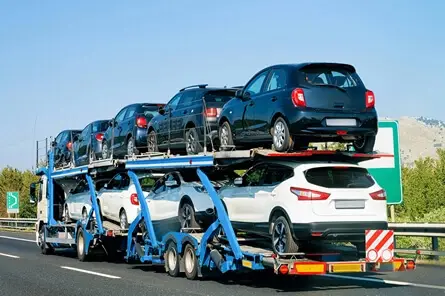
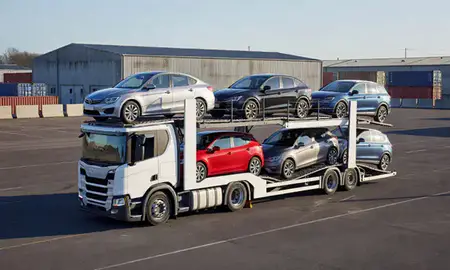
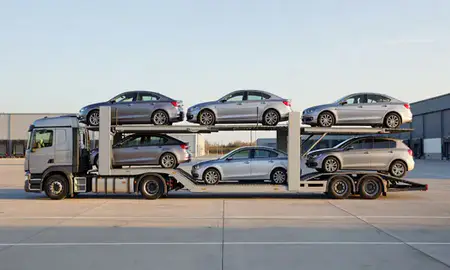
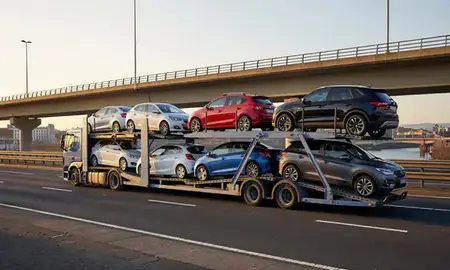
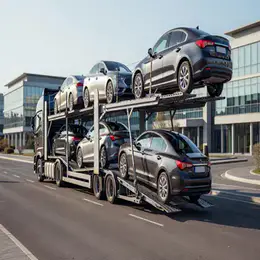
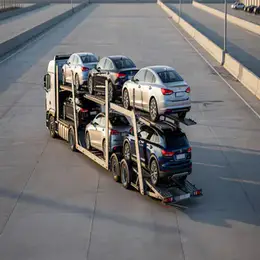
Choosing the right transport service comes down to evaluating your vehicle value, budget, physical condition, and tolerance for environmental exposure. The most common and economical method across the vehicle shipping industry is open transport. Open car transport utilizes multi-car double-deck car carriers or smaller single-car and two-car recovery flatbeds. On an open carrier, the vehicle is exposed to weather, road grime, and highway debris, exactly as it would be if you were driving it yourself. Because open transport offers high carrying capacity per journey, it represents the most cost-effective solution for everyday commuter cars, fleet relocations, and standard family vehicles.
Enclosed transport provides complete protection from the elements inside a hard-sided or curtain-sided trailer. Enclosed car carriers are equipped with specialized low-approach ramps or hydraulic tail-lifts designed to accommodate vehicles with minimal ground clearance, preventing undercarriage scraping. This method is the standard recommendation for vintage vehicles, high-value luxury vehicles, pristine classic cars, track cars, and prototypes. Enclosed transport comes at a higher car shipping cost because these specialized trailers carry fewer vehicles per trip, represent higher capital equipment investment, and require specialized operator handling.
A third option frequently used throughout the United Kingdom is a driven delivery service, commonly referred to as trade plate transport. In this scenario, an insured professional driver operates your vehicle on the road under trade plates. This eliminates the need for large trailer access on narrow residential streets and offers rapid transit times, as the driver travels directly from point A to point B without making intermediary loading stops. However, driven transport adds actual road mileage and wear to the odometer, requires the vehicle to be fully roadworthy, taxed, or operating legally under commercial plates, and exposes the exterior to standard driving hazards.

Preparing Your Vehicle for Safe Carriage
Thorough preparation before the car carrier arrives prevents delays, protects your vehicle from avoidable damage, and streamlines the handover process. Start by thoroughly washing the vehicle exterior. A clean car makes paint scratches, door dings, stone chips, and minor cosmetic defects clearly visible during the pre-loading inspection. Taking high-resolution, time-stamped photographs of the vehicle from all angles, including the roof, lower bumpers, and alloy wheels, provides indisputable baseline documentation should you need to file an insurance claim later.
Remove all personal belongings and aftermarket accessories from the interior and exterior. Auto transport companies are licensed and insured to carry motor vehicles, not household goods or personal luggage. Extra cargo adds unchecked weight that can compromise trailer axle limits and presents a safety hazard if items shift during sudden braking or cornering. In practice, leaving loose items in the vehicle also increases the risk of theft or interior damage, which is typically excluded from carrier insurance policies. Remove toll transponders, dash cams, detachable roof racks, and external antennas, and disable aftermarket vehicle alarms to prevent the battery from draining during transit.
Mechanical readiness is equally critical. Check that the battery is healthy and fully charged, especially for modern vehicles and electric vehicles that rely on electronic parking brakes and digital gear selectors. Ensure tires are properly inflated to standard pressures to allow smooth rolling onto ramps. Keep the fuel tank roughly one-quarter full; this provides sufficient fuel for loading, unloading, and staging maneuvers while minimizing unnecessary deadweight on the transporter trailer. If the vehicle has mechanical quirks, fluid leaks, or starting procedures, write down clear, concise instructions for the driver and place them on the front seat.

Understanding Pricing Mechanics and Cost Variables
Vehicle shipping rates are not calculated on simple mileage alone. Carriers and dispatchers evaluate multiple operational variables when pricing a shipment. Total transit distance forms the baseline, but the specific route profile carries substantial weight. Transporting a car between major metropolitan hubs that share high-volume freight flow generally costs less per mile than moving a vehicle between remote rural locations. A pickup in Newcastle upon Tyne traveling down the main trunk road network toward the Midlands or London benefits from frequent carrier traffic, whereas a delivery routed into deep rural coastal pockets requires a dedicated detour that carriers must price accordingly.
Vehicle size, curb weight, and classification directly influence transport cost. Modern SUVs, crossovers, and commercial vans take up significantly more physical space and consume more trailer weight allowance than compact hatchbacks. Because heavy commercial carriers are subject to strict gross vehicle weight limits, hauling two heavy electric vehicles might force a carrier to leave an entire deck position empty elsewhere on the rig. To offset that lost revenue space, the carrier must adjust the rate for heavier or larger models.
Vehicle operability is another major cost driver. A running car can be driven onto a transporter deck under its own power in a matter of minutes. An inoperable vehicle, whether due to collision damage, engine failure, or missing keys, requires winching equipment, specialized loading steering skates, and substantial extra labor. Dispatchers must assign an auto transporter equipped with a heavy-duty electric winch and ensure the driver has the training to manage non-running loads safely, which naturally increases the overall car transport quote.
Seasonal demand cycles also shift pricing throughout the year. Spring and summer often bring spikes in classic car sales, event transport, and residential relocations, driving up carrier demand. In late summer and autumn, university student moves into Newcastle and Sunderland alter regional vehicle flows. Winter weather creates hazardous driving conditions across northern routes, potentially slowing transit speeds and tightening available truck capacity. Understanding these seasonal demand swings helps you plan your shipping timeline to secure the best balance of cost and availability.

Selecting a Reputable Transport Provider
When searching for the best car shipping option, knowing how to evaluate prospective car transport companies is essential. The transport sector includes direct owner-operators who own and drive their own trucks, multi-vehicle fleet carriers, transport management brokers, and freight marketplaces. No single business structure is universally superior; what matters is the professionalism, operational transparency, and reliability of the specific transport provider handling your vehicle.
Evaluate customer feedback carefully, looking beyond simple star ratings. Pay attention to how a carrier handles unexpected challenges such as bad weather, mechanical breakdowns, or tight delivery access. Reliable auto transport companies communicate proactively when schedules shift, provide realistic pickup and delivery windows rather than making unachievable promises, and explain their loading procedures clearly. Beware of quotes that appear unrealistically lower than the market average; low-ball pricing often signals that an operator lacks adequate insurance, uses sub-par equipment, or may deprioritize your booking if a more lucrative load appears.
Verify that the carrier has the right equipment for your specific car moving requirement. A low-slung performance car with aftermarket ground effects cannot safely navigate the steep approach angles of a standard open car hauler without race ramps or low-approach hydraulic beds. Similarly, moving a wide commercial van requires a carrier with an appropriate deck width and weight rating. A reputable transport specialist will gladly discuss their equipment specifications with you before confirming the booking.

Carrier Insurance, Liability, and Safety Standards
Trust in the auto transport industry is built on verified insurance coverage and clear condition documentation. Legitimate transport companies carry dedicated Goods in Transit insurance designed specifically to protect customer vehicles against physical loss or damage while in their custody, care, and control. This coverage is distinct from standard commercial vehicle road insurance, which only covers third-party liability while driving on public highways.
Before releasing your vehicle to any carrier, ask to see their Goods in Transit insurance certificate and confirm the indemnity limits per vehicle. If you are shipping a luxury vehicle, rare sports car, or vintage classic worth more than the carrier standard liability cap, you must notify the transporter in advance. In many cases, carriers can arrange an insurance uplift for a specific journey, or you can secure supplemental transit coverage through your own private vehicle policy underwriter.
The foundation of any insurance protection is the inspection process conducted at pickup and delivery. In the freight industry, this documentation is recorded on the bill of lading, electronic collection manifest, or handover condition report. Never rush through this inspection. Walk around the vehicle alongside the driver, ensuring all pre-existing flaws are accurately recorded. When the car reaches its destination, perform an equally meticulous inspection in good lighting before signing the final release paperwork. If you notice any fresh damage that was not present on the collection sheet, note it clearly on the document before signing and immediately notify the transport service provider.

Operational Best Practices and Common Pitfalls
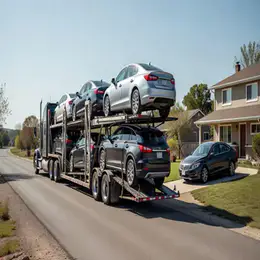
One mistake customers commonly make is failing to evaluate street accessibility around their pickup or delivery addresses. Large multi-car transporters can measure up to sixty feet in length and weigh dozens of tons when fully loaded. These massive commercial rigs cannot navigate tight cul-de-sacs, residential neighborhoods with low-hanging tree branches, narrow streets lined with parked cars on both sides, or roads with strict weight and height restrictions. If your home is located in an inaccessible area, coordinate with the driver to meet at a nearby open location, such as a wide commercial access road, a supermarket car park, or a motorway service station adjacent to a major trunk road.
Another common operational pitfall involves scheduling inflexibility. Vehicle logistics involves hundreds of moving parts, from regional roadworks and bridge closures to mechanical issues and loading delays with other vehicles on the trailer. Treat your scheduled dates as target windows rather than rigid timetables. Building a one-to-two-day buffer into your plans, especially if you are coordinating vehicle delivery with a house purchase completion or an overseas flight, prevents unnecessary stress if transit takes slightly longer than anticipated.
If you are shipping an electric vehicle, remember that EVs present distinct logistical considerations. Their substantial curb weight requires carriers to calculate deck load distribution carefully. Furthermore, EVs cannot simply be pushed or towed if their batteries deplete completely, as rolling an unpowered EV can damage the drive motors unless shifted into specialized transport modes. Ensure your electric vehicle has at least fifty percent battery charge upon collection so the driver can effortlessly maneuver it during multi-car drops without risking an unpowered lockout.

Tyne and Wear Infrastructure and Transport Dynamics
Operating vehicle transport across Tyne and Wear requires specific local insight due to the region distinct geographical layout, industrial hubs, and infrastructure choke points. The River Tyne divides the urban core into Newcastle upon Tyne to the north and Gateshead to the south, creating natural transport bottlenecks. The A1 Western Bypass is the primary north-south artery on the western side of the conurbation, handling heavy local commuter traffic alongside long-distance freight moving between England and Scotland. Dispatchers know that the Western Bypass experiences substantial congestion during morning and evening rush hours, particularly near the Metrocentre and the Blaydon Bridge, which can impact transporter schedules.
On the eastern side of the region, the A19 dual carriageway serves as a critical commercial route, providing direct access to the manufacturing heart of Sunderland, including the Nissan complex, and connecting down toward Middlesbrough and North Yorkshire. The A19 passes under the river via the Tyne Tunnel. Car shipping operators moving high-roof vans, lifted 4x4s, or tall multi-deck car carriers must adhere to strict height clearances and account for commercial toll charges when routing through this corridor. Transport dispatchers frequently weigh the toll costs and height parameters of the Tyne Tunnel against the extra mileage of looping west via the A1.
Urban architecture across Tyne and Wear also influences vehicle transport logistics. Historic residential neighborhoods like Jesmond, Heaton, and parts of Tynemouth feature narrow Victorian terraced streets where on-street parking makes large car carrier access virtually impossible. Experienced carriers servicing these neighborhoods will typically arrange handover points near major access routes like the Coast Road (A1058) or retail business parks off the A1. On the south bank, moving vehicles into industrial estates around Gateshead, Washington, or the Port of Tyne offers far easier heavy commercial access, allowing drivers to load and offload directly outside commercial facilities without logistical hurdles.

Why Transport Marketplaces Deliver Practical Efficiency
Securing reliable vehicle transport without overpaying often comes down to finding an operator who is already traveling your desired route with available deck space. Traditional single-firm booking models often result in deadhead miles, where a transporter returns home with an empty trailer after completing a drop-off, forcing them to charge higher rates to cover their fuel and operational overhead. Marketplaces like Shiply address this inefficiency by connecting customers directly with transport providers who are actively seeking cargo to fill unused capacity along their established routes.
When you place a shipping request on Shiply, it becomes visible to independent auto transport operators, regional recovery specialists, and national car carrier fleets. Providers who already have a run scheduled past Newcastle upon Tyne or Sunderland can bid on your shipment at highly competitive rates, effectively treating your car as an efficient backhaul load. This matching system reduces unnecessary fuel consumption across the transport industry, lowers vehicle shipping costs for the customer, and ensures haulers maintain profitable, fully loaded routes.
Additionally, using a competitive marketplace framework brings transparency to carrier selection. You can compare diverse auto transport services, evaluate genuine customer feedback profiles, and verify that your chosen transporter has the exact equipment required for your vehicle type. Whether you need an open transport run down the A1 corridor, enclosed vehicle transport for a rare sports car, or a rapid trade plate car delivery service, leveraging a broad marketplace network helps you secure dependable transportation tailored to your timeline and budget.
Popular Routes from Tyne and Wear
Fast-moving car transporters routes customers often compare from Tyne and Wear.
Tyne and Wear West Yorkshire
Tyne and Wear Essex
Tyne and Wear Kent
Tyne and Wear Lancashire
Tyne and Wear West Midlands
Tyne and Wear County Durham
Tyne and Wear Hampshire
Tyne and Wear Surrey
Tyne and Wear Greater Manchester
Tyne and Wear Hertfordshire
Tyne and Wear South Yorkshire
Tyne and Wear Northumberland
Tyne and Wear North Yorkshire
Tyne and Wear Devon
Tyne and Wear Nottinghamshire
Tyne and Wear Merseyside
Tyne and Wear Buckinghamshire
Tyne and Wear Warwickshire
Tyne and Wear Cornwall
Tyne and Wear Cambridgeshire
Tyne and Wear Berkshire
Tyne and Wear West Sussex
Tyne and Wear West Lothian
Tyne and Wear Suffolk
Top Tyne and Wear Transport Providers on Shiply
Pricing By Transport Method
Based on 265,524 real auto transport, these examples demonstrate how different transport methods can affect your quotes.
By Vehicle Type
-
Car (Sedan/Coupe) 9,962 shipmentsBaseline
-
SUV / Crossover 10,015 shipments+£107
-
Pickup Truck 1,079 shipments+£286
By Transport Method
-
Driven 187 shipmentsBaseline
-
Open Trailer 331 shipments+£331
-
Enclosed Trailer 573 shipments+£573
Recent Car Transporters Prices In Tyne and Wear
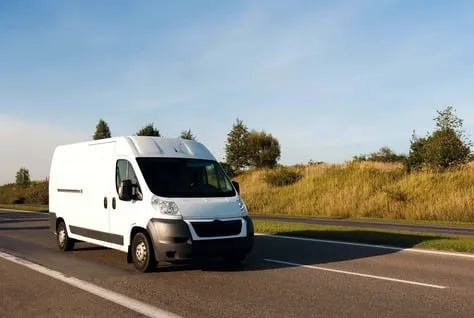
Nissan Navara
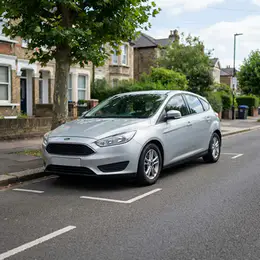
Ford Focus
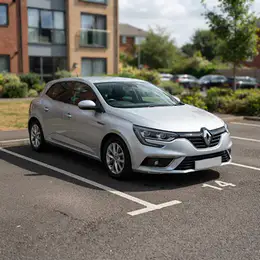
Renault Megane
BMW X5
Land Rover Range Rover
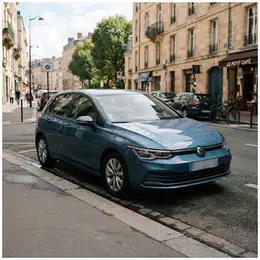
Volkswagen Gold
Other Popular Cities In Tyne and Wear
FAQs
Does Shiply Cover My Area?
Yes. There are transport providers using Shiply all over the country and overseas, so whether you need to move something to/from Tyne and Wear or further afield, we have got you covered.
What Mode Of Transport Will Be Used?
This is your preference, you can choose from various modes of transport available on Shiply. For car shipping this is generally a driven service, transported on an open trailer or transported in an enclosed trailer.
How Can I Contact Shiply Support?
Our friendly support team is always on hand. Simply click on the Help link or email us: . We aim to respond inside a few business hours. If you have an urgent query about a delivery underway, you can contact your driver directly. Full details are in the booking confirmation email and My Shiply.
Who Will Carry Out My Delivery?
Whoever you choose. There are thousands of rated transport providers from Tyne and Wear on our platform ready to make a bid to carry out your car shipment. It is up to you to decide which quote to accept. We suggest assessing both price and the transport provider's feedback rating and recent reviews before your book.
When Will I Receive A Quote?
You will typically start to receive quotes within 30 minutes. If your delivery is particularly urgent or important, you can try upgrading your delivery request which moves your listing to the top of the search page for shipping companies.
How Many Quotes Will I Receive?
Whilst there is no guarantee of quotes, 98% of listings receive at least 3 quotes, so you are very likely to find a transport provider who services Tyne and Wear who can undertake the delivery of your vehicle.
Is My Vehicle Insured For Transport to/From Tyne and Wear?
Yes, it is a requirement for all transport providers on Shiply to have appropriate insurance coverage for the vehicles they transport. However, we also highly recommend purchasing Shiply's protection plan when placing your booking for additional peace of mind in the event of an insurance company or transport provider refusing to pay out.
How Far Out In Advance Should I Schedule Collection?
It is recommended to schedule your collection as early as possible to ensure availability and to allow transport providers sufficient time to plan the logistics of your vehicle's transport. Generally we advise at least two weeks as this gives transport providers enough time to bundle your car shipment with others heading in the same direction, helping to drive down cost. That said, last minute availability is sometimes possible, although it does carry a premium price. So planning ahead is always beneficial.
How Do I Pay For The Car Transporters Service?
When you accept a quote on Shiply, you pay a small deposit, service fee and optional protection plan fee. The remaining balance is paid directly to the transport provider, usually on delivery. Shiply provides a secure platform for communication. It is recommended to discuss payment terms with the provider before confirming your booking.
What Is the Difference Between Open and Enclosed Auto Transport?
Open transport is the most common and cost-effective method, where your vehicle is exposed to the elements on an open trailer. Enclosed transport provides additional protection by keeping your vehicle inside a covered trailer, shielding it from weather and road debris. Enclosed transport is typically more expensive but offers greater security for high-value or classic vehicles.
Is Shiply Auto Transport A Door to Door Service?
Yes, Shiply offers door-to-door auto transport services, meaning your vehicle will be picked up from your specified location and delivered to your desired destination. Typical pickup and delivery locations include home, office or apartments and all are typically fine. Occasionally, there may be restrictions based on the availability of street parking or extremely narrow roads, in those instances the transport provider will discuss nearby alternatives locations with you such as a local parking lot or gas station.
How Is Shiply Different From Other Auto Transport Services?
Shiply offers a unique platform that connects customers with transport providers, allowing for competitive quotes and flexible scheduling. Unlike traditional auto transport services, Shiply provides a transparent and user-friendly experience, ensuring that you can easily compare options and choose the best service for your needs. As transport providers compete for your job, you benefit from securing the best rates in the industry without having to phone around.
What Types of Vehicles Can Shiply Transport?
Shiply can transport a wide range of vehicles, including cars, motorcycles, vans, trucks, and even classic or luxury vehicles. The platform connects you with transport providers who have the appropriate equipment and experience to handle your specific type of vehicle, ensuring safe and reliable transportation. Shiply can also ship electric vehicles.
How Much Does It Cost To Ship A Car to/from Tyne and Wear?
The cost of shipping a car to or from Tyne and Wear depends on various factors, including the distance, type of vehicle, and chosen transport method. Shiply provides a platform where you can receive competitive quotes from multiple transport providers, allowing you to find the best rate for your specific needs. But as a general rule of thumb, you can expect a rough cost of around $2.40/mile for shorter distances under 250 miles and $0.84/mile for longer distances above 750 miles.
How Do I Get a Quote For Shipping My Car?
To get a quote for shipping your car, you can use Shiply's platform to submit your vehicle details and transport requirements - just click the get quotes button. Multiple transport providers will then provide you with competitive quotes, allowing you to compare prices and services to find the best option for your needs.
How Do I Stay In Touch With My Transport Provider During Delivery?
To stay in touch with your transport provider during delivery, you can use Shiply's messaging system to communicate directly with them. This allows you to ask questions, provide updates, and coordinate the details of your vehicle transport.
Is It Cheaper To Ship A Car Or Drive It?
It depends on the distance, fuel costs, accommodation, vehicle wear and tear, and the value of your time. For long-distance moves, shipping your car is often surprisingly cost-effective and saves you from putting unnecessary mileage on your vehicle. Shiply's reverse auction marketplace helps you compare competitive quotes so you can decide which option offers the best value.
Is It Worth Shipping A Car?
For many people, yes. Shipping a car can save significant time, reduce stress, avoid adding miles to your vehicle, and eliminate the costs associated with a long road trip. It is particularly worthwhile when relocating, buying a vehicle remotely, transporting a classic or luxury car, or moving across the country.
What Is The Cheapest Way To Ship A Car?
The most affordable option is usually open transport with flexible collection and delivery dates. Booking in advance also helps reduce costs, as transport providers have more opportunity to combine your vehicle with other deliveries travelling in the same direction. On Shiply, providers compete for your listing, helping you secure some of the lowest available prices.
How Long Does It Take To Ship A Car?
Delivery times depend on the distance, route, and transport provider's schedule. Shorter journeys may take just one or two days, while cross-country transport can take around one to two weeks. When reviewing quotes on Shiply, you can discuss estimated collection and delivery dates directly with transport providers before booking.
Can I Track My Vehicle During Transport?
Most transport providers provide regular updates throughout the journey. You can communicate directly with your chosen provider using Shiply's secure messaging system to request progress updates, estimated arrival times, or notify them of any changes during the delivery.
How Much Fuel Should Be Left In My Vehicle?
Most transport providers recommend leaving around a quarter of a tank of fuel. This provides enough fuel for loading and unloading while keeping the vehicle as light as possible, helping to improve safety and efficiency during transport.
What Is Terminal-To-Terminal Car Transport?
Terminal-to-terminal transport involves dropping your vehicle off at a designated collection point and collecting it from another terminal at its destination. While this can sometimes reduce costs, most Shiply transport providers offer the convenience of door-to-door delivery, making terminal transport less common.
Can I Ship Multiple Vehicles At Once?
Yes. Many transport providers can move multiple vehicles in a single shipment, whether you are relocating, buying or selling several vehicles, or arranging transport for a dealership. When creating your listing, simply include details of every vehicle so providers can quote accurately.
Can I Ship A Car I Bought Online Or At Auction?
Absolutely. Many Shiply customers arrange transport for vehicles purchased from dealerships, online marketplaces, auctions, and private sellers. Simply provide the collection and delivery details, and transport providers will submit competitive quotes for your shipment.
Can I Get A Quote Without Providing Personal Details?
Yes. You can request quotes by providing information about your vehicle and delivery requirements without making your personal contact details public. Once you have chosen a transport provider and confirmed your booking, you will be able to communicate directly through Shiply's secure messaging platform.
Can I Get A Quote Without Providing Personal Details?
Yes. You can request quotes by providing information about your vehicle and delivery requirements without making your personal contact details public. Once you have chosen a transport provider and confirmed your booking, you will be able to communicate directly through Shiply's secure messaging platform.
What Is The Safest Way To Ship A Car?
Professional vehicle transport is generally the safest option. For most vehicles, open transport provides excellent protection and value. If you are shipping a classic, luxury, antique, or high-value vehicle, enclosed transport offers additional protection from weather and road debris throughout the journey.
How Do I Choose The Best Car Transporters Company?
Look beyond price alone. Consider customer reviews, feedback ratings, insurance cover, experience, communication, and collection times. Shiply makes it easy to compare all of these factors in one place so you can confidently choose the transport provider that best meets your needs.
Why Do Car Transporters Prices Change Throughout The Year?
Car shipping prices fluctuate with supply and demand. Peak moving periods, holidays, severe weather, and popular relocation seasons can all increase demand for transport services. Booking early and being flexible with your dates can often help you secure lower prices.
How Long Is My Quote Valid?
Each transport provider sets their own quote validity period. Some quotes remain available for several days, while others may be withdrawn sooner if the provider's schedule changes. If you find a quote that suits your requirements, it is generally best to book before availability changes.
Can I Book Car Transporters Without An Exact Collection Address?
In many cases, yes. If you know the general pickup area but not the precise address, you can still create a listing and update the details later. If you change the pickup or delivery location after publishing your listing, existing quotes may need to be refreshed to reflect the new journey.
Can Shiply Transport Electric Vehicles?
Yes. Many transport providers on Shiply regularly transport electric vehicles, including Tesla, Rivian, Polestar, Lucid, Nissan, Hyundai, Kia, and many other makes and models. When creating your listing, simply specify that your vehicle is electric so providers can prepare accordingly if required.
Does Someone Else Have To Be Present If I Can't Attend Collection Or Delivery?
Yes. If you are unavailable, you can usually nominate a trusted friend, family member, colleague, or representative to hand over or receive the vehicle on your behalf. Make sure they have any necessary keys, paperwork, and are aware of the agreed collection or delivery arrangements.
What Happens If My Transport Provider Is Delayed?
Delays can occasionally occur due to traffic, weather, mechanical issues, or changes to delivery schedules. Your transport provider should keep you informed of any changes, and you can contact them at any time through Shiply's messaging system to receive updates.
What Happens If My Vehicle Is Damaged During Transport?
All transport providers on Shiply are required to carry appropriate insurance. Before collection, we recommend photographing your vehicle from multiple angles and noting any existing damage. If damage does occur during transport, you should notify the transport provider immediately and follow their insurance claims process. Purchasing Shiply's protection plan also provides additional peace of mind.
Can I Ship A Classic, Luxury Or Exotic Car?
Yes. Many transport providers specialise in transporting classic, luxury, prestige, and exotic vehicles. For valuable vehicles, enclosed transport is often recommended to provide additional protection from weather, road debris, and other external factors during transit.
What Documents Do I Need To Provide?
To ensure a smooth delivery process, you will need to provide certain documents to your transport provider. These may include your vehicle registration, proof of insurance, and title. Make sure to have these documents ready and accessible for the transport provider.
How Can I Ensure I Choose The Best Car Transporters Company To/From Tyne and Wear?
To ensure you choose the best car shipping company, consider factors such as customer reviews, insurance coverage, experience, and pricing. All of which can be viewed in one place, here on Shiply. It's important to compare multiple providers and ask questions to make an informed decision.
How Should I Prepare My Car For Shipping?
To ensure your car is ready for shipping, you should clean it thoroughly, remove any personal belongings, and take note of any existing damage. Additionally, make sure your vehicle is in good working condition and has enough fuel for loading and unloading. We also advise taking photos of the car, from multiple angles, to document its condition before transport.
What Time Of Year Is Cheapest For Shipping My Car To/From Tyne and Wear?
The cost of shipping your car can vary depending on the time of year. Generally, shipping rates are lower during the off-peak seasons, such as late fall and winter, when demand is lower.
Are Car Transporters Quotes Guaranteed?
On Shiply, the price you see is the price you pay. Unlike some other auto transport companies, the quotes provided are guaranteed and will not change unless you make modifications to your request.
Is Open Transport Car Transporters Safe?
Open transport is a common method for shipping cars and is generally safe. Vehicles are securely strapped and covered to protect against road debris and weather conditions. For luxury, antique or classic cars, enclosed transport is recommended for added protection and security.
Can You Negotiate With Car Transporters Providers?
On Shiply, the reverse auction mechanism automatically helps you find the lowest price in the market due to competitive bidding. However, yes, you can also use the messaging system to negotiate with providers. Sometimes if you are able to provide extra flexibility, especially around dates, you may be able to secure a better deal.
What Payment Methods Do You Accept?
Shiply accepts all major debit/credit cards. However, the transport providers themselves may have different payment methods and policies, so it's important to confirm with them directly before you place your booking.
Which Factors Affect Car Transporters Costs The Most?
Several factors can influence the cost of shipping a car, including the distance of the move, the type of transport (open or enclosed), the size and weight of the vehicle, and the time of year. It's important to consider these factors when planning your car shipment.
Can I Travel With My Car?
The majority of car transport providers on Shiply are only insured for the transportation of vehicles, however, some are also able to take people. If you need to travel with your car, make sure to mention this in your listing and to highlight this to any providers who quote on your request.
What If I Need To Cancel My Booking?
If you have accepted a quote and paid the deposit but wish to cancel the delivery, then you should first inform your chosen transport provider that you no longer require the delivery. You should then contact us at to process the cancellation.
Can I Change The Address Of The Delivery?
If you have not yet accepted a quote then you are able to change the address of your delivery request. Note that editing details of your request after publishing will result in active quotes being voided, so you will have to wait for new quotes to come in. If you have already accepted a quote and need to change the address either within Tyne and Wear or outside the area, please let your transport provider know and contact us at .
Does Someone Have To Be Present For Pickup And Delivery?
In most cases, the car shipping company will require you to be in attendance for the pickup and delivery of the vehicle. This is because there are likely to be release forms that you need to sign, as well as handing over the car keys.
Can I Keep Items In My Vehicle?
Most car transport companies will be fine with you keeping some personal items in the vehicle when it is transported. However, do be aware that the weight of the items may affect the price of the vehicle shipment, and any items in the vehicle will not be covered by insurance for the transport of the car itself.
Can I Transport My Vehicle If It Isn't Running?
You can ship your vehicle if it isn't in running condition, however, this will be more expensive as specialist equipment is required to load and unload the vehicle.

How Shiply works
Why Choose Shiply?
Shiply helps you compare quotes from customer-reviewed vehicle transporters who already have space on similar routes, so you can find a safer, simpler way to ship at a better price.
Save up to 75%
Transport Providers bid for your job using spare capacity on pre-existing routes.
Compare rated shippers
Review prices, profiles, feedback, and recent customer reviews before booking.
Move any vehicle
Arrange local, interstate, long-distance, open, enclosed, or specialist transport.
Support and safety
Dedicated Trust & Safety Team. Friendly support team standing by and ready to help.
How Shiply Helps The Environment
By utilizing spare capacity of vehicles running on the road, Shiply helps reduce the number of otherwise wasteful journeys.